

Tube Fly Tying Supplies
We have a huge selection of supplies and materials to tie superior Tube Flies for steelhead, salmon, trout, and saltwater species - shipped quickly and free when your order is over $99..
Tube Fly tools by Pro Sportfisher and HMH are our specialty.
The Caddis Fly Pro Staff tie a lot of Intruder style flies for salmon and steelhead on tubes- we tie and fish a lot of Tube Flies, because we have confidence in them.
Tying a tube fly is not particularly difficult. One simply transfers the knowledge and perspectives used to wrap materials on a hook shank to apply the same materials to a hollow tube that is mounted on a mandrel or pin that is an appropriate diameter to keep the tube from rolling when applying tension with thread.
Why do we tie and fish Tube Flies? Let_s review some of the reasons we fish Tube flies. Fun. It is always enjoyable to diversify and develop different skill sets as fly tyers. But more than that, these large flies are effective and some of our staff are so enamored with Tube Flies that they have stocked their Steelhead, Salmon, Sea-run trout, Bass, Pike, Musky, and Ocean Salmon fly boxes almost exclusively with Tube Flies. Some of our Tube fly aficionados also believe that their hooked-to-landed ratio is higher with the short shank hooks usually employed. And then there is the fact that the Tube fly will slide up the leader and provide a fair amount of protection against chomping and wear during the time between the fish is hooked and brought to hand. Finally, some assert that mortality of released fish is lower due to the short shank flies.
What type of flies are tied on Tubes?
You name the fly, it_s adaptable to a Tube fly. Intruders, especially, are perfect for tying on Tubes. Classic steelhead and salmon flies are tied on Tubes. Surprising? We have tyers and customers who tie sparse wet flies and Muddlers for summer steelhead on Tubes. We have tied Clouser Deep Minnows on Tubes. Big long flies tied for Bull Trout, Bass, Pike, and Musky are perfectly suited to tying as well.What specialty tools and materials are needed to tie Tube flies?
Not much that a fly tyer doesn_t already have. One uses all the standard tools and materials to tie these flies, however it is necessary to use a Tube Fly Vise or a simple, inexpensive Tube Fly Adaptor to secure the Tube while tying the fly. We stock the tools and materials you will need, whether you are interested in getting started tying Tubes or if you have considerable experience and want to graduate to the next level of Tubinotomy.What hooks do we use on Tube flies?
Typically, we use short shank, ring eye hooks. Some examples of our preferred hooks include the Daiichi D1640 short shank, straight eye hook; the Alec Jackson D1648 Tube Fly Hook; the Gamakatsu B10S Stinger Hook, The Daiichi D2571 Boss Steelhead hook; the TMC 811S or TMC 800S saltwater hooks; and the Gamakatsu SC 15 hook.Best Tube fly materials?
We have listed only a few in this section. Please refer to our Intruder Fly Tying materials and Tools category and then browse the entire fly tying materials catalog. If it is material used to tie a fly, it_s probably applicable to a Tube Fly. Remember, the Caddis Fly stocks great fly tying supplies, vises, kits, fly tying hackle, fly tying feathers, hooks, tinsels, and - even fly fishing gear and equipment too!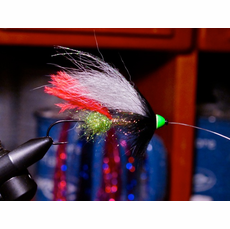 Best and Favorite Tube Fly Hooks
 Pro Sportfisher Classic Tube Sixpack
  Pro Sportfisher Pro Cone
  Tube Cone Heads
  Pro Sportfisher Dropweight|Tubefly System Drop Weight
  Stonfo Tapered 5 Size Tube Fly Pin Set
 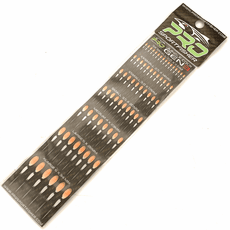 Jungle Cock G3 Starter Pack
  Pro Sportfisher Jungle Cock Pro Pack
  Pro Sportfisher Flexitube
  Pro Sportfisher Flexiweight: Tubefly System Flexi Weight
  Pro Sportfisher Hookguide|Tubefly System Pro Hook Guide
 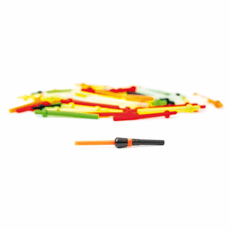 Pro Sportfisher Microtube
  Pro Sportfisher Flexineedle
 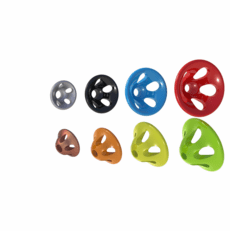 Pro Sportfisher Soft Sonic disc
 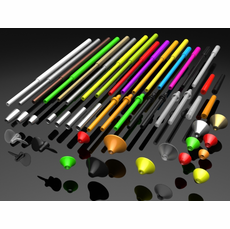 Pro Tube Fly - ProSportfisher Products & Materials
 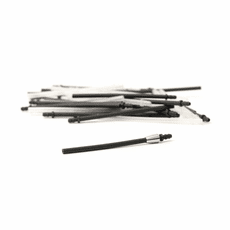 Pro Sportfisher Tubefly System Nanotube
  Pro Sportfisher Raw Weight|Tubefly System Raw Weight
  Pro Sportfisher Ultra Sonic Disc
 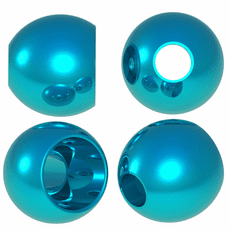 Pro Flexi Beads
  HMH Coneheads For Tubes
 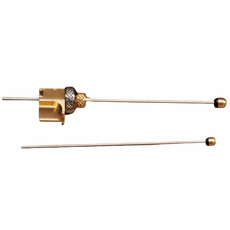 Stonfo Tube Fly Tool
 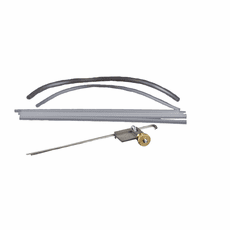 HMH Starter Tube Fly Tool
  Glo Brite Floss
  Finn Raccoon Zonker
 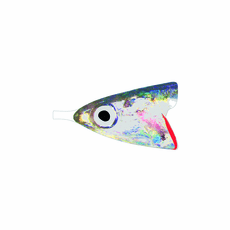 Pro Sportfisher Pro Anchovy Foils
 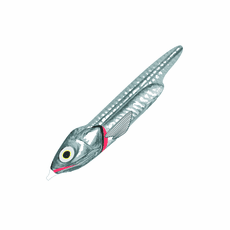 Pro Sportfisher Pro Candy Foils
 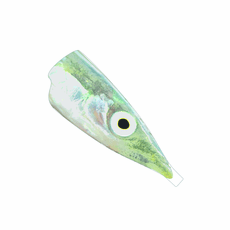 Pro Sportfisher Pro Sandeel Foils
 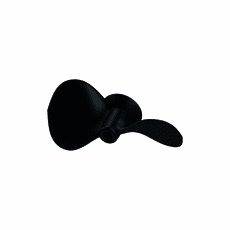 Pro Sportfisher Pro Propellers
 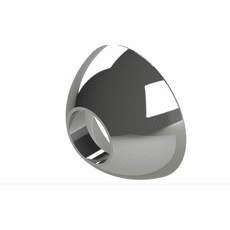 Pro Sportfisher Predator Cones
 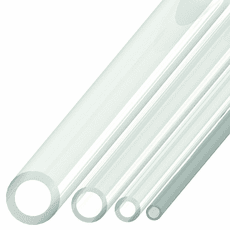 Pro Sportfisher Predator Tube XL